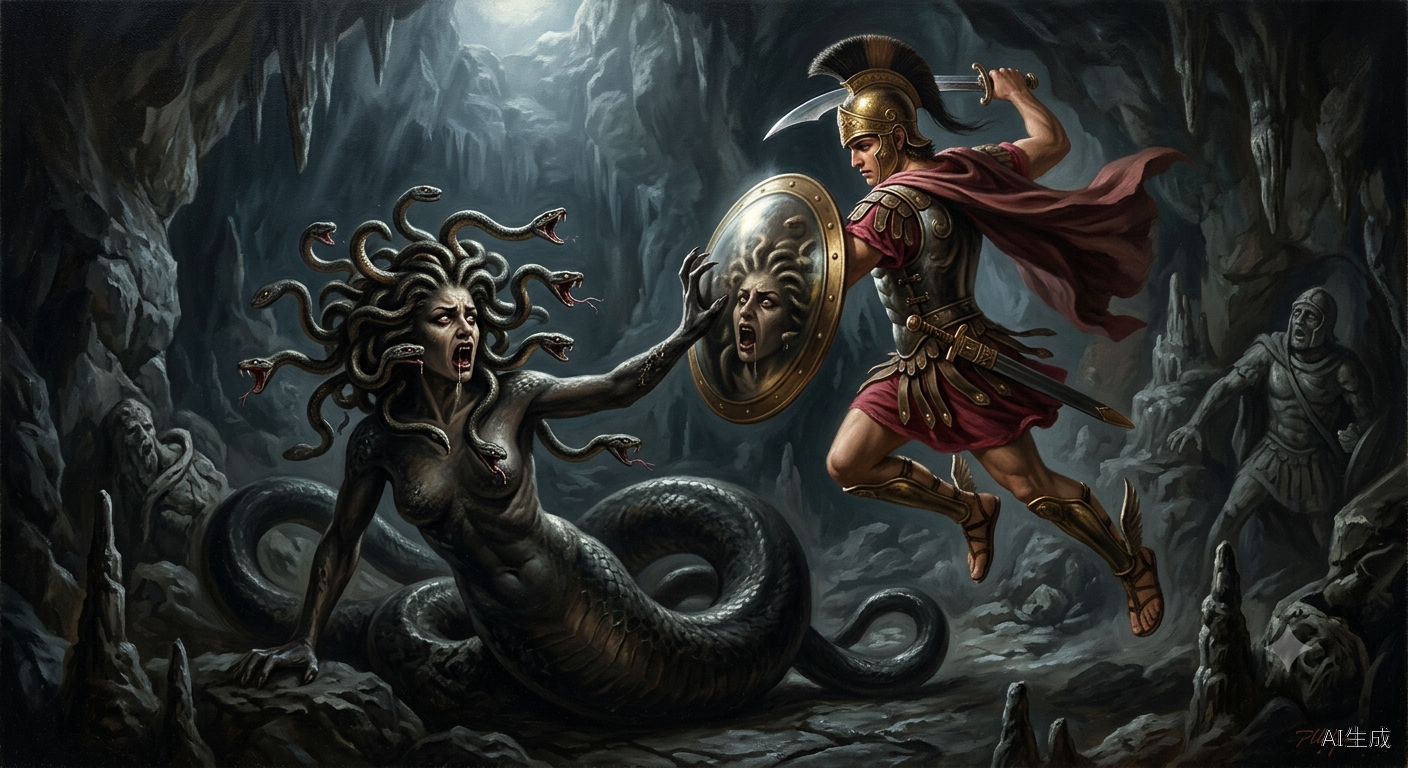
美杜莎原本是雅典娜神庙里一位美丽的祭司,她的头发以动人著称,甚至让雅典娜心生嫉妒。雅典娜盛怒之下,把她的头发变成了毒蛇,目光也能让人石化——这个神话常被现代学者解读为"美貌招致嫉妒与惩罚"的古老隐喻。
Medusa was once a beautiful priestess in Athena's temple, famed for her stunning hair, so much so that Athena grew jealous. In her fury, Athena turned Medusa's hair into venomous snakes and her gaze into a power that could turn anyone to stone — a myth modern scholars often read as an ancient allegory for beauty inviting envy and punishment.
而珀尔修斯能杀死她,靠的全是神明赠送的装备:赫尔墨斯的飞行凉鞋、哈迪斯的隐身头盔、雅典娜的镜面盾牌——严格来说,这场胜利更像是"神明代打",而非纯粹的个人英勇。
Perseus, meanwhile, only managed to kill her thanks to gifts from the gods: Hermes's winged sandals, Hades's helmet of invisibility, and Athena's mirrored shield — making his victory less a feat of personal heroism than a case of the gods doing the work for him.
🐍 一位因美丽招致嫉妒的祭司,一位借神器行事的英雄——
珀尔修斯真的算英雄吗?美杜莎的故事,会让小喜怎么想?
付费解锁完整故事 · 石化对决 · 趣味词卡
🔒 后续内容已锁定
一次付费解锁完整故事 · 情景对话 · 趣味词卡 · 1年时效
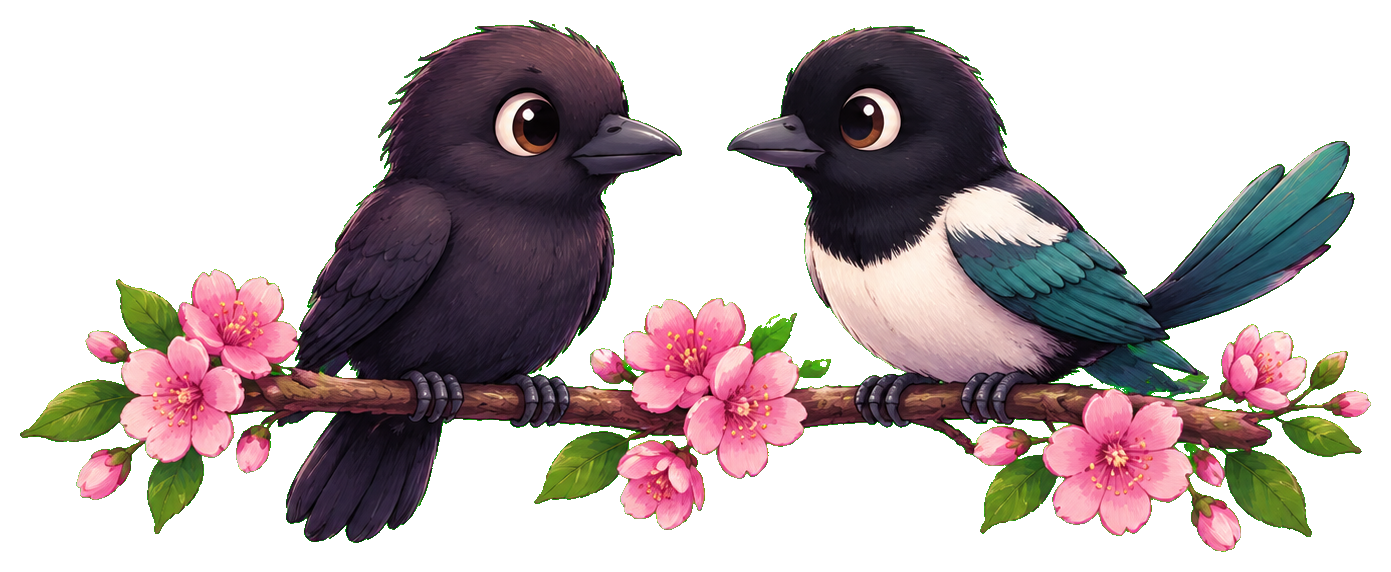
小喜盯着美杜莎的画像,皱起了眉头,"阿鸦,她看起来好可怜……为什么大家都说她是怪物?"
Magpie stared at the painting of Medusa, frowning. "A-Ya, she looks so sad... why does everyone call her a monster?"
阿鸦沉默了一下,"因为杀死她的人,把这个故事讲成了英雄传奇。但如果你去问美杜莎自己……故事可能完全不一样。"
A-Ya was quiet for a moment. "Because the man who killed her turned this into a hero's tale. But if you asked Medusa herself... the story might be completely different."
小喜好奇地问,"那真正的故事是什么?"阿鸦看了她一眼,"从雅典娜神庙里的一场嫉妒开始。"
Magpie asked curiously, "So what's the real story?" A-Ya glanced at her. "It starts with jealousy inside a temple."
小喜追问,"神庙里?发生了什么?"
Magpie pressed on, "Inside a temple? What happened?"
阿鸦沉声说,"本该是她的守护神,最后却因为嫉妒对她下了诅咒。"
A-Ya said gravely, "The goddess who should have been her protector ended up cursing her out of jealousy."
小喜久久没有说话,最后轻声说,"阿鸦,如果美杜莎一开始就没有被冤枉……珀伽索斯还会诞生吗?"阿鸦看着远方,"或许会用另一种方式。但那,就是另一个故事了。"
Magpie was silent for a long moment before finally speaking softly. "A-Ya, if Medusa had never been wrongly cursed in the first place... would Pegasus still have been born?" A-Ya gazed into the distance. "Perhaps in another way. But that's a story for another day."
美杜莎的形象后来成了"护身符"——古希腊人相信,把她的头像刻在盾牌、门楣或建筑上,能吓退邪恶,这种符号被称为"戈耳工雕像"(Gorgoneion)。有趣的是,中国传统建筑上的"兽面瓦当"也有类似的驱邪功能——不同文化,都不约而同地用"可怕的脸"来守护平安。🐍🏛️
Medusa's image later became a protective talisman — ancient Greeks believed that carving her face onto shields, doorways, or buildings could ward off evil, a symbol known as the Gorgoneion. Interestingly, traditional Chinese architecture features similar "beast-face" roof tiles for the same protective purpose. Different cultures, independently choosing a "frightening face" to guard against harm.
支付以下动态金额(基准¥3,浮动±0.5)