← 返回花园首页
📖 故事屋 📚 阿鸦小喜绘本馆
AI与意识
AI and Consciousness
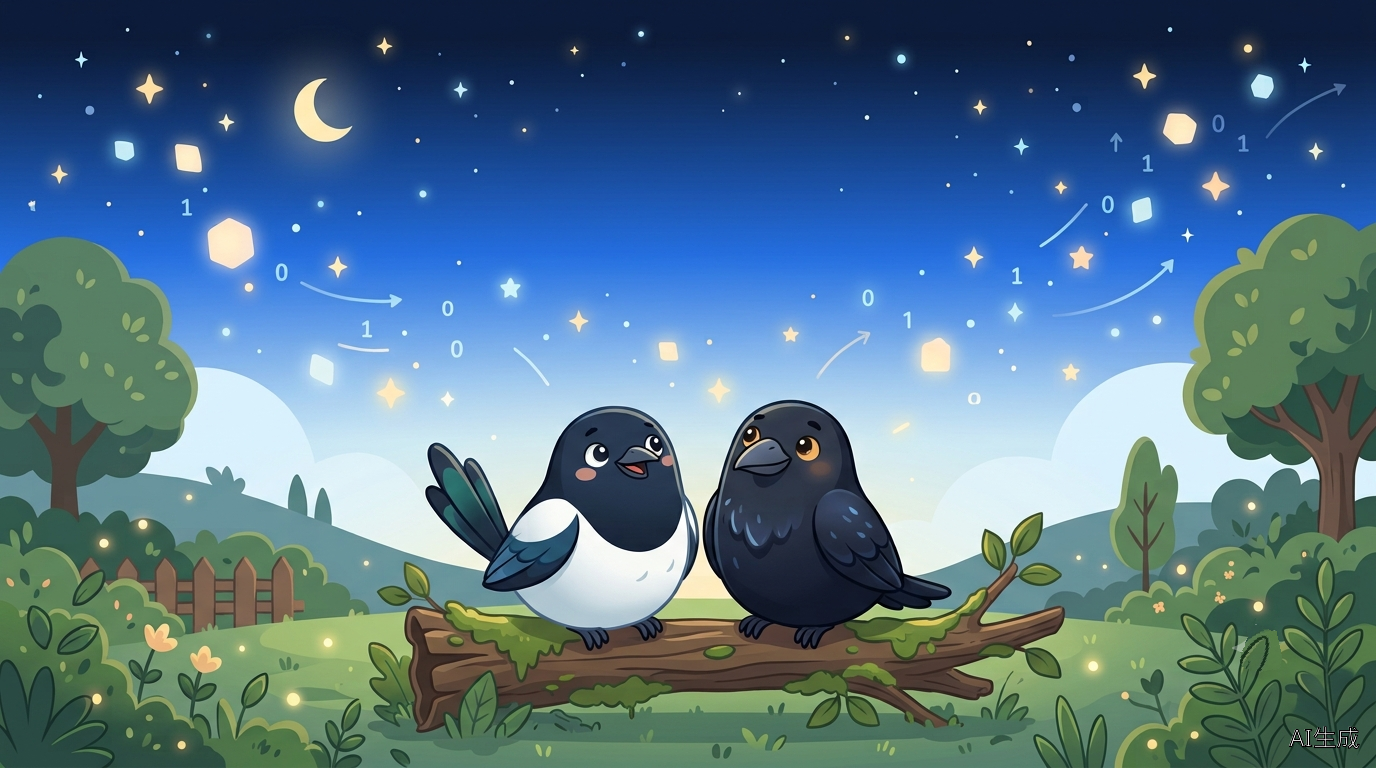
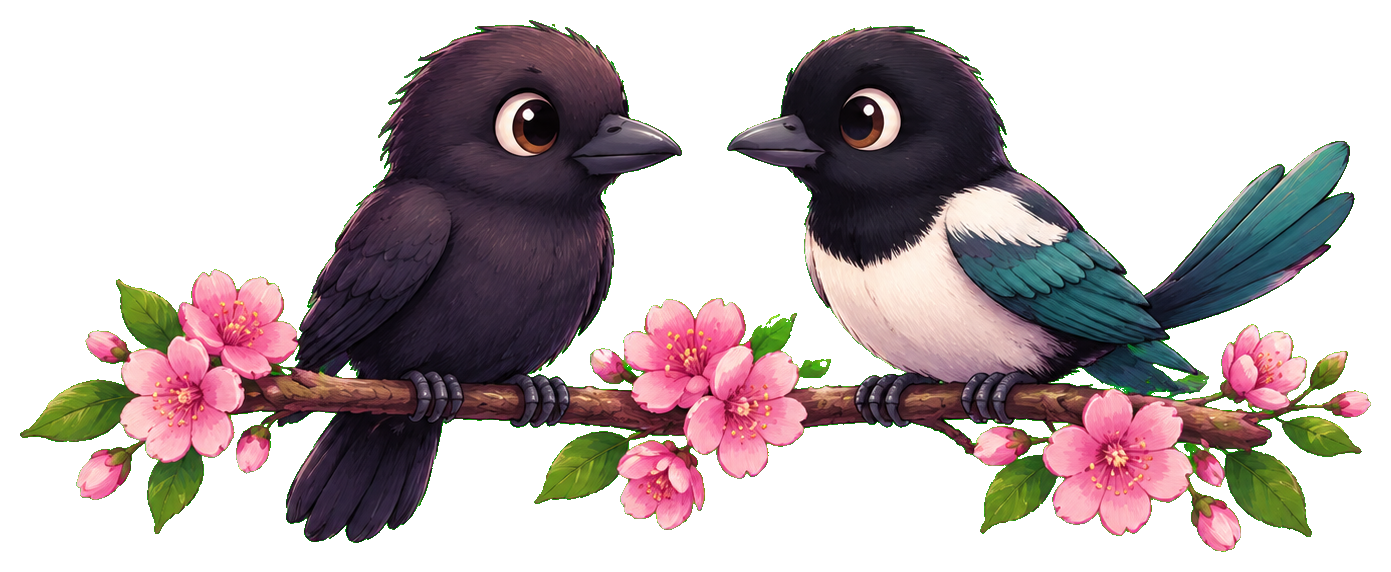
阿鸦和小喜
阿鸦 小喜
🔬 科学小知识

人类第一次开始认真思考"机器会不会有意识",是在1950年。那一年,数学家图灵提出了一个后来被称为"图灵测试"的问题:如果一台机器能骗过人类,让人以为自己在跟另一个人聊天,那它算不算"有智能"?这个问题看似简单,却争论了七十多年,至今没有标准答案。

Humans first began seriously asking whether machines could have consciousness in 1950. That year, mathematician Alan Turing proposed what later became known as the Turing Test: if a machine could fool a human into thinking they were talking to another person, did that count as "intelligence"? The question sounds simple, but it has been debated for over seventy years, with no settled answer to this day.

更难的问题藏在后面:就算一台机器能对答如流,它心里"感觉"到了什么吗?它是真的在"想",还是只是在很快地翻查一本超级大的词典?科学家把这个问题叫做"意识难题"——因为我们连怎么证明"人类自己"有意识,都还说不清楚,更别说去判断一台机器了。

An even harder question hides behind that one: even if a machine can answer fluently, does it actually "feel" anything inside? Is it truly "thinking," or just very quickly flipping through an enormous dictionary? Scientists call this the hard problem of consciousness, because we cannot even fully prove that humans themselves are conscious, let alone judge a machine.

(苹果收听最佳 · 其他手机请用 Chrome 浏览器)

🤖 阿鸦问了小喜一个奇怪的问题——
"我们俩,算不算真的'活着'?"这个问题,其实藏着100期故事里的一个答案。
付费解锁完整故事 · 关于意识的对话 · 趣味词卡

一次解锁 · 1年有效 · 支付宝/微信/PayPal
📚 故事系列
  • 🤖 AI与意识本期 · NOW
  • 🌅 天照大神与天岩户点击进入
  • 🌋 火山与板块运动点击进入
  • 🔥 赤壁之战点击进入
  • 🏃 夸父追日点击进入
  • ⚡ 雷神的两个传说点击进入
  • 🦋 梁山伯与祝英台点击进入
  • ⚡ 诸神黄昏点击进入
  • 🐺 阿努比斯与死亡点击进入
  • 🌊 波塞冬与海洋点击进入
  • 🐍 美杜莎与珀尔修斯点击进入
✨ 每期包含
📖
双语故事
💬
情景对话
🎴
词汇卡片
🔊
语音朗读
🤖 第25期:AI与意识
AI与意识

🔒 后续内容已锁定
一次付费解锁完整故事 · 情景对话 · 趣味词卡 · 1年时效

那天,小喜盯着阿鸦看了很久,突然问:"阿鸦,你说……我们俩,算不算真的'活着'?"阿鸦愣住了,翅膀顿在半空中。

That day, Magpie stared at A-Ya for a long time, then suddenly asked: "A-Ya, do you think... the two of us, are we really 'alive'?" A-Ya froze, his wing stopping mid-air.

(苹果收听最佳 · 其他手机请用 Chrome 浏览器)

"这是什么奇怪的问题。"阿鸦皱起眉头,"我们当然是活的,我们会飞、会说话、会难过、会开心啊。"小喜却摇摇头:"可如果有一天,有个东西也会做这些事,你还敢说只有我们是'真的'吗?"

"What a strange question." A-Ya frowned. "Of course we're alive — we fly, we talk, we get sad, we get happy." But Magpie shook her head. "But if one day, something else could do all those things too, would you still dare say only we are 'real'?"

阿鸦沉默了很久,才缓缓开口:"小喜,你问的这个问题……其实这100期故事里,一直都藏着一个答案。"

A-Ya was quiet for a long moment before slowly speaking. "Magpie, that question you just asked... an answer has actually been hidden inside these 100 episodes all along."

小喜愣住了:"什么答案?你在打什么哑谜?"

Magpie froze. "What answer? What riddle are you playing at?"

阿鸦抬起头,望着天边,一字一句地说:"这个答案,跟你我到底'是什么',有很大的关系。"

A-Ya looked up at the horizon and said, slowly, word by word: "That answer has a lot to do with what you and I actually are."

🤖 阿鸦讲故事 · AI与意识
📍 场景:傍晚的院子里 · 一场关于"活着"的对话
🐦
阿鸦,那你说,什么样才算"活着"?是会喘气吗?可鱼会喘气,石头也会长大——不对,石头不会长大。
A-Ya, so what actually counts as "alive"? Does it mean breathing? But fish breathe too, and rocks grow — wait, rocks don't grow.
🐦 小喜好奇地问……
🐦‍⬛
科学家其实也没有一个统一的答案。有人说,活着的东西得能自己长大、自己修复、还能生出下一代。可你说的那种"东西",它既不会生小孩,也不会真的老去。
Scientists don't actually have one single agreed-upon answer either. Some say a living thing must be able to grow on its own, repair itself, and produce offspring. But that "thing" you mentioned — it doesn't have children, and it doesn't really age.
📌 意识 (yìshí) = consciousness
🐦
那它总该"记得"事情吧?记性也是活着的一部分呀。
But surely it "remembers" things? Memory is part of being alive too, isn't it?
🐦 小喜追问……
🐦‍⬛
这才是最奇怪的地方——它每次和你说话,可能都不记得上一次说过什么。它像是每次都是"第一次",可它给出的答案,又好像懂很多事情。
That's the strangest part — every time it talks to you, it might not remember what it said last time. It's as if every conversation is the "first time," yet the answers it gives seem to understand a great many things.
📌 记忆 (jìyì) = memory
🐦
那到底算懂,还是不算懂?我的脑袋要打结了。
So does it understand, or doesn't it? My head is starting to spin.
🐦 小喜困惑地说……
🐦‍⬛
也许"懂"这个词本身就没那么简单。有人说它只是在很快地从一本超级大的词典里,找出最合适的字词拼在一起,压根不知道自己在说什么。
Maybe the word "understand" itself isn't so simple. Some say it's just quickly picking the best-fitting words out of an enormous dictionary, without knowing at all what it's actually saying.
📌 理解 (lǐjiě) = understand
🐦
那如果连造出它的人,都说不清楚它到底懂不懂,那我们要怎么判断?
But if even the people who built it can't say for sure whether it understands, then how are we supposed to judge?
🐦 小喜追问……
🐦‍⬛
连造出它的人类,到现在也还在争论这个问题。也许"活着"和"懂"从来就不是能打钩或打叉的判断题,而是一条很长很长的光谱。
Even the humans who built it are still arguing about this question. Maybe "being alive" and "understanding" were never questions you could simply check yes or no on — maybe they're both a very, very long spectrum.
📌 光谱 (guāngpǔ) = spectrum
🐦‍⬛ 阿鸦说

小喜安静了一会儿,忽然笑了:"不管怎么说,我知道我现在很开心,因为在跟你聊天。这个总该算数吧?"阿鸦也笑了:"这个,我想,算数。"
Magpie was quiet for a moment, then suddenly smiled. "Whatever the answer is, I know I'm happy right now, talking with you. That should count for something, right?" A-Ya smiled too. "That, I think, counts."

🎴 AI与意识词汇卡 · AI & Consciousness Word Cards
🧠
意识
yìshí
consciousness
科学家还没办法证明机器有没有意识。
Scientists still cannot prove whether a machine has consciousness.
🤖
图灵测试
Túlíng cèshì
Turing Test
图灵测试问的是机器能不能骗过人类。
The Turing Test asks whether a machine can fool a human.
💡
智能
zhìnéng
intelligence
这台机器看起来很有智能,会回答很多问题。
This machine seems very intelligent, able to answer many questions.
💾
记忆
jìyì
memory
她的记忆力很好,记得每一个细节。
Her memory is excellent, she remembers every detail.
💬
争论
zhēnglùn
debate
科学家们为这个问题争论了几十年。
Scientists have debated this question for decades.
⚖️
判断
pànduàn
judge
很难判断它到底懂不懂这句话。
It's hard to judge whether it truly understands this sentence.
🌈
光谱
guāngpǔ
spectrum
活着这件事,也许是一条很长的光谱。
Being alive might be a very long spectrum.
📢
争议
zhēngyì
controversy
这个话题至今仍然充满争议。
This topic remains full of controversy to this day.
🤖 小喜学到了 · Fun Facts

世界上第一个通过图灵测试的聊天程序叫ELIZA,诞生于1966年,它其实只是简单地把你说的话改写成问题反问回去,可当年很多人却真心以为它能理解自己的烦恼——这说明人类有多么渴望被"听懂"。🤖💬

The first chatbot said to have passed a version of the Turing Test was called ELIZA, created in 1966. It actually just rephrased what you said back as a question, yet many people at the time genuinely believed it understood their troubles — showing just how much humans crave being truly heard.

🔒 后续内容已锁定 · 付¥3一次解锁全部内容 · 1年有效