← 返回花园首页
📖 故事屋 📚 阿鸦小喜绘本馆
吉尔伽美什
Yu the Great Tames the Flood
阿鸦和小喜
阿鸦 小喜
📜 文化小知识

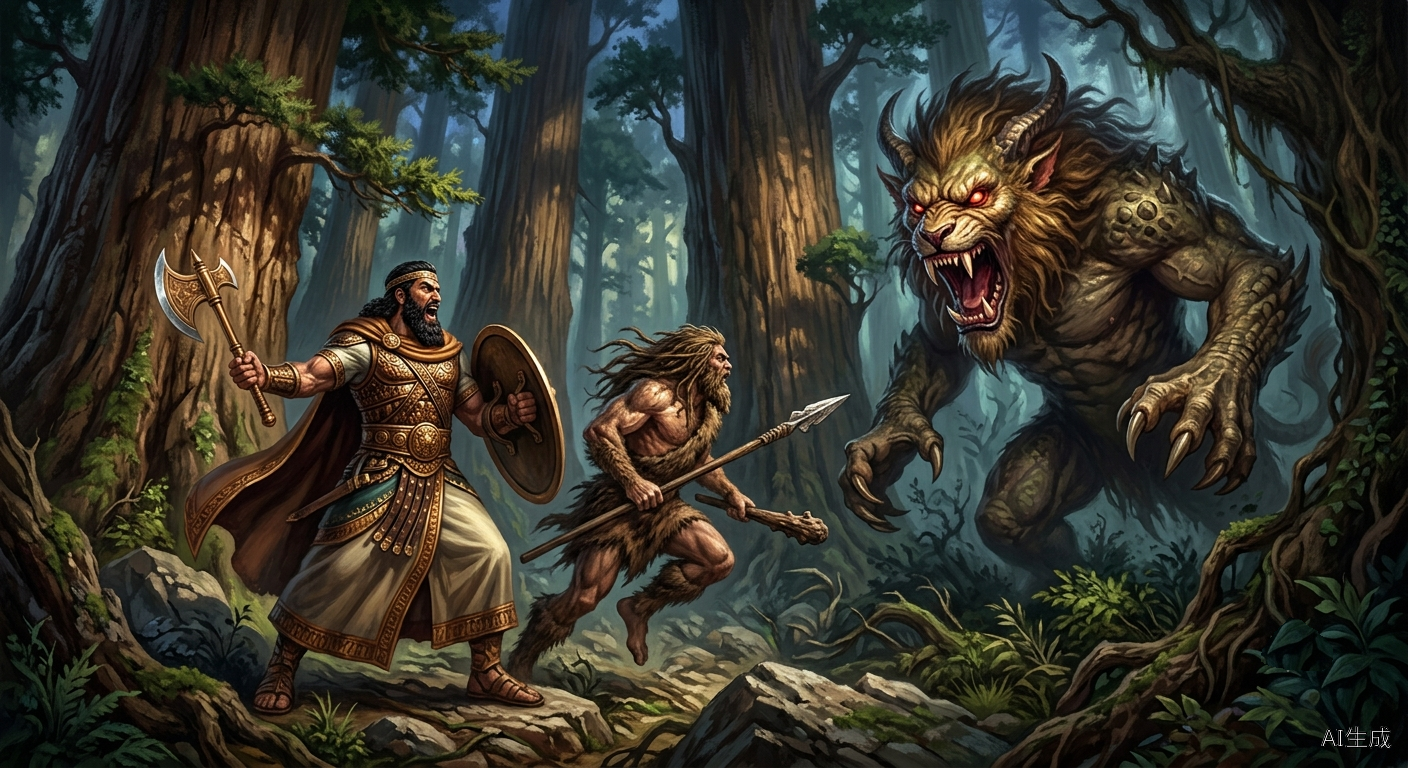
吉尔伽美什的故事记录在公元前2100年左右的苏美尔泥板上,是人类已知最古老的史诗之一,比《荷马史诗》还要早一千五百多年。传说他是乌鲁克城的国王,三分之二是神、三分之一是人,力大无穷却性情暴躁,百姓对他既敬畏又怨恨,日夜向天神祈求有人能来制服他。

Gilgamesh's story is recorded on Sumerian clay tablets from around 2100 BCE, making it one of humanity's oldest known epics — over 1,500 years older than Homer. Legend says he was king of Uruk, two-thirds god and one-third human, immensely strong but hot-tempered. His people both feared and resented him, praying day and night for someone who could stand against him.

天神听到了祈求,用泥土捏出了野人恩基都,让他到荒野中生活,力量足以与吉尔伽美什匹敌。两人初次相遇便是一场惊天动地的搏斗,谁也没能真正打倒对方——但这场较量却让两个孤独的强者,从此成了彼此唯一的知己。

The gods heard the prayer and shaped a wild man named Enkidu from clay, sending him to live in the wilderness with strength to match Gilgamesh's own. When the two first met, they fought a battle that shook the earth — neither could truly defeat the other. But that clash turned two lonely, mighty men into each other's only true friend.

(苹果收听最佳 · 其他手机请用 Chrome 浏览器)

🏺 一场惊天动地的搏斗,让两个陌生人成了挚友——
可天神的惩罚,却让这段友情走向了谁也没料到的结局……
付费解锁完整故事 · 永生的追寻 · 趣味词卡

一次解锁 · 1年有效 · 支付宝/微信/PayPal
📚 故事系列
  • 🏺 吉尔伽美什本期 · NOW
  • 🐕 库丘林点击进入
  • 🌊 大禹治水点击进入
  • 🐍 素戋呜斩八岐大蛇点击进入
  • 🐦 精卫填海点击进入
✨ 每期包含
📖
双语故事
💬
情景对话
🎴
词汇卡片
🔊
语音朗读
🌊 第31期:吉尔伽美什
吉尔伽美什

🔒 后续内容已锁定
一次付费解锁完整故事 · 情景对话 · 趣味词卡 · 1年时效

小喜看着画里一个浑身长毛、赤脚站在荒野中的健壮男人,好奇地问:"阿鸦,这个人好奇怪呀,他是谁?为什么住在森林里,不进城呢?"

Magpie looked at the painting of a shaggy, barefoot, powerfully built man standing in the wilderness, and asked curiously, "A-Ya, who is this strange man? Why does he live in the forest instead of the city?"

(苹果收听最佳 · 其他手机请用 Chrome 浏览器)

阿鸦说:"他叫恩基都,是天神特意用泥土捏出来的。因为乌鲁克城有一位国王,实在是太不好惹了。"

A-Ya said, "His name is Enkidu. The gods shaped him from clay for one reason — the king of Uruk was simply too much for anyone to handle."

小喜惊讶:"神还要专门造一个人来对付国王?那国王得多可怕呀?"

Magpie was surprised. "The gods had to make someone just to deal with the king? He must have been terrifying."

阿鸦说:"这正是这个故事最让人意外的地方。"

A-Ya said, "That's exactly the most surprising part of this story."

小喜追问:"怎么意外?"

Magpie pressed on. "Surprising how?"

阿鸦说:"恩基都和国王第一次见面,两人当街就打了起来,力气不相上下,谁也没能真正赢过谁。"

A-Ya said, "The first time Enkidu and the king met, they fought right there in the street. Their strength was equally matched — neither could truly win."

小喜不解:"那后来呢?他们是死对头吗?"

Magpie was puzzled. "So what happened next? Were they enemies forever?"

阿鸦说:"恰恰相反——这场搏斗之后,发生了谁也没想到的事。他们后来一起闯进森林、惹怒天神,甚至一起踏上了一段谁都没走过的旅程……具体发生了什么,还得从头讲起。"

A-Ya said, "Quite the opposite — after that fight, something no one expected happened. They went on to storm into the forest together, anger the gods, and even set out on a journey no one had ever taken before... but to find out exactly what happened, we'll have to start from the beginning."

🏺 阿鸦讲故事 · 吉尔伽美什
📍 场景:乌鲁克城外 · 恩基都与吉尔伽美什的旅程
🐦
阿鸦,恩基都跟吉尔伽美什打完那一架之后,发生什么事了?
A-Ya, what happened after Enkidu and Gilgamesh had that fight?
🐦 小喜好奇地问……
🐦‍⬛
他们俩不打不相识,从此形影不离,还一起做了一件震动天地的大事——联手闯进雪松森林,打败了守护森林的巨大怪物洪巴巴。
They became inseparable friends after that fight, and together did something that shook heaven and earth — they ventured into the Cedar Forest and defeated Humbaba, the giant guardian monster.
📌 挚友 (zhìyǒu) = close friend
🐦
那两个人是不是从此就一直做朋友,天下太平了?
So did the two of them stay friends forever, and everything was peaceful after that?
🐦 小喜好奇地问……
🐦‍⬛
好景不长。天神认为他们冒犯了神明的领地,便降下惩罚——恩基都渐渐病倒了,没过多久就永远闭上了眼睛。
But the good times didn't last. The gods felt their domain had been disrespected and sent down punishment — Enkidu fell gravely ill, and before long, he closed his eyes forever.
📌 惩罚 (chéngfá) = punishment
🐦
吉尔伽美什一定很难过吧?
Gilgamesh must have been devastated, right?
🐦 小喜忍不住问……
🐦‍⬛
他悲痛欲绝,也第一次真正害怕起来——如果连恩基都都会死,那自己三分之二是神的身体,会不会有一天也一样?于是他离开王座,独自穿越黑暗山脉,渡过死亡之海,历经千辛万苦,终于找到了一株能让人长生不老的仙草。可就在归途中,趁他下水沐浴的片刻,一条蛇悄悄游过来,把仙草吃掉了。
He was overwhelmed with grief, and for the first time truly afraid — if even Enkidu could die, would his own two-thirds-divine body someday meet the same fate? So he left his throne behind and set out alone, crossing dark mountains and the Sea of Death, enduring hardship after hardship, until at last he found a plant said to grant eternal life. But on the way home, while he bathed in a pool, a snake slipped by and ate the plant.
📌 永生 (yǒngshēng) = eternal life
🐦‍⬛ 阿鸦说

吉尔伽美什起初非常绝望,觉得一切努力都白费了。但他渐渐领悟到——生命的意义,或许本来就不在于长生不死,而在于活着的时候真心去爱、去创造、去被人记住。他回到乌鲁克后,把城墙修得更加雄伟,这座城的故事,也就这样流传了四千多年。顺带一提,吉尔伽美什的旅途中还听说过一个古老的大洪水传说——这和小喜之前听过的大禹治水的故事,还有点奇妙的呼应呢。
At first Gilgamesh fell into despair, feeling that all his effort had been for nothing. But slowly he came to understand — perhaps the meaning of life was never about living forever, but about truly loving, creating, and being remembered while you're alive. He returned to Uruk and rebuilt its walls even grander than before, and the story of that city has been told for over four thousand years since. By the way, during his journey Gilgamesh also heard of an ancient great flood legend — which echoes rather nicely with the story of Yu the Great that Magpie heard before.

🎴 吉尔伽美什词汇卡 · Gilgamesh Word Cards
🤝
挚友
zhìyǒu
close friend
恩基都和吉尔伽美什成了彼此的挚友。
Enkidu and Gilgamesh became each other's closest friend.
🏜️
荒野
huāngyě
wilderness
恩基都本来生活在荒野之中。
Enkidu originally lived in the wilderness.
👊
搏斗
bódòu
to fight, wrestle
两人在街头展开了一场激烈的搏斗。
The two of them fought a fierce battle right in the street.
惩罚
chéngfá
punishment
天神降下惩罚,恩基都因此病倒了。
The gods sent down punishment, and Enkidu fell ill because of it.
♾️
永生
yǒngshēng
eternal life
吉尔伽美什踏上了寻找永生的旅程。
Gilgamesh set out on a journey to seek eternal life.
🌿
仙草
xiāncǎo
magic herb (of immortality)
他终于找到了那株能让人永生的仙草。
He finally found the magic herb said to grant eternal life.
😢
悲痛
bēitòng
grief
恩基都去世后,吉尔伽美什陷入了深深的悲痛。
After Enkidu's death, Gilgamesh fell into deep grief.
🧱
城墙
chéngqiáng
city wall
吉尔伽美什回到乌鲁克后,把城墙修得更加雄伟。
After Gilgamesh returned to Uruk, he rebuilt the city walls even grander.
🏺 小喜学到了 · Fun Facts

吉尔伽美什史诗原本刻在十二块泥板上,沉睡在地下两千多年,直到1872年才被英国学者乔治·史密斯在大英博物馆的一堆泥板碎片中重新破译出来,这才让世界重新认识了这位四千年前的乌鲁克国王。它比《圣经》和《荷马史诗》都要古老得多,是人类历史上第一部留下姓名的长篇史诗。🏺📜

The Epic of Gilgamesh was originally inscribed on twelve clay tablets that lay buried underground for over two thousand years, until 1872 when British scholar George Smith deciphered it from a pile of tablet fragments at the British Museum, bringing the world's oldest known epic back into the light. It predates both the Bible and Homer's epics, making it the first long narrative poem in human history whose author and story survive to this day.

🔒 后续内容已锁定 · 付¥3一次解锁全部内容 · 1年有效