← 返回花园首页
📖 故事屋 📚 阿鸦小喜绘本馆 🎭 表情包
大航海时代
The Age of Exploration
🧭 阿鸦和小喜
阿鸦 小喜
📜 文化小知识

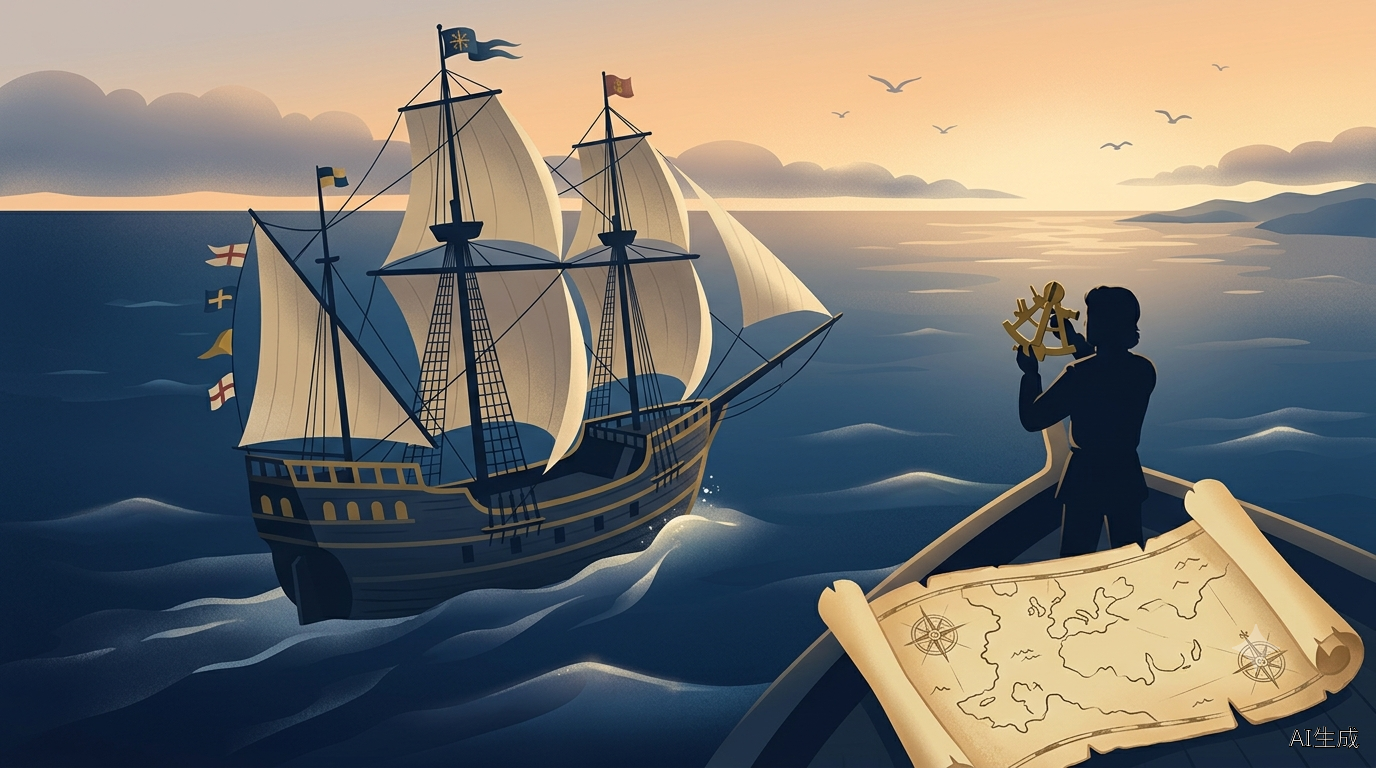
15世纪末,欧洲人想要一条更快抵达亚洲的商路,却始终被陆路的种种阻碍困扰。热那亚航海家克里斯托弗·哥伦布相信,只要坚定地一直往西航行,绕过地球,就能抵达亚洲。1492年,他说服西班牙王室资助了三艘帆船,向着未知的大西洋深处出发。

In the late 15th century, Europeans wanted a faster trade route to Asia, but were constantly hindered by the difficulties of overland travel. The Genoese navigator Christopher Columbus believed that sailing steadily westward, around the globe, would eventually reach Asia. In 1492, he convinced the Spanish crown to fund three ships and set sail into the unknown depths of the Atlantic.

经过两个多月的漫长航行,船员们几乎要放弃希望时,终于望见了陆地。哥伦布确信自己抵达了亚洲,然而他真正踏上的,其实是欧洲人此前完全不知道存在的美洲大陆——那里早已生活着数百万原住民,只是欧洲人对此一无所知。

After more than two months of grueling voyage, just as the crew was nearly ready to give up hope, land finally came into view. Columbus was certain he had reached Asia. In reality, what he had landed on was the Americas, a continent Europeans had no prior knowledge of, one already home to millions of indigenous peoples who had lived there for a long time.

(苹果收听最佳 · 其他手机请用 Chrome 浏览器)

⛵ 一张边缘空白的航海图,藏着人类第一次验证地球是圆的的故事
付费解锁完整故事 · 哥伦布与麦哲伦的航程 · 趣味词卡

一次解锁 · 1年有效 · 支付宝/微信/PayPal
📚 故事系列
  • 🐉 郑和下西洋点击进入
  • ⛵ 大航海时代本期 · NOW
  • 🀄 毕昇活字印刷点击进入
  • 📜 古腾堡印刷术点击进入
  • 🔥 破釜沉舟点击进入
✨ 每期包含
📖
双语故事
💬
情景对话
🎴
词汇卡片
🔊
语音朗读
⛵ 第80期:大航海时代
大航海时代

🔒 后续内容已锁定
一次付费解锁完整故事 · 情景对话 · 趣味词卡 · 1年时效

小喜看着博物馆里一张泛黄的古老航海图,好奇地问:"阿鸦,这张地图边缘怎么什么都没画呀,是没画完吗?"

Xiaoxi looked at a faded old nautical chart in the museum and asked curiously, "Aya, why is the edge of this map completely blank? Did they just not finish drawing it?"

(苹果收听最佳 · 其他手机请用 Chrome 浏览器)

阿鸦说:"不是没画完,是当时的人们,压根不知道地图之外还有什么。这张图属于一位相信地球是圆的、决心一直往西航行的探险家——哥伦布。"

Aya said, "It's not unfinished, people at the time simply had no idea what lay beyond the edge of the map. This chart belonged to an explorer who believed the earth was round and was determined to sail steadily westward, Columbus."

小喜追问:"那哥伦布真的到了亚洲吗?"

Xiaoxi pressed, "So did Columbus really reach Asia?"

阿鸦说:"这正是最有意思的地方——他自己一直深信不疑,可事实到底是不是这样,还得往下听才知道。"

Aya said, "That's exactly the interesting part, he himself was utterly convinced, but whether that was actually true, you'll have to keep listening to find out."

小喜好奇地问:"除了哥伦布,还有其他探险家吗?"

Xiaoxi asked curiously, "Besides Columbus, were there other explorers?"

阿鸦说:"有,几十年后,一位叫麦哲伦的葡萄牙航海家,做了一件比哥伦布更大胆的事——他要证明,只要一直往一个方向航行,真的能绕地球一整圈回到起点。"

Aya said, "Yes, decades later, a Portuguese navigator named Magellan attempted something even bolder than Columbus, he set out to prove that sailing in one direction long enough could take you all the way around the globe back to where you started."

小喜追问:"那他成功了吗?"

Xiaoxi pressed, "So did he succeed?"

阿鸦故意卖了个关子:"这个故事的结局,出乎所有人的意料。想知道发生了什么?那就得往下听了。"

Aya deliberately teased, "The ending to this story surprised everyone. Want to know what happened? You'll have to keep listening."

⛵ 阿鸦讲故事 · 大航海时代
📍 场景:博物馆的大航海时代展厅
🐦
他真的一直往西航行,就抵达亚洲了吗?
Did he really reach Asia just by sailing steadily west?
🐦 小喜好奇地问……
🐦‍⬛
没有——他登陆的地方,其实是欧洲人完全不知道存在的美洲大陆。可他自己一直到去世,都坚信那里就是亚洲的一部分,甚至把当地居民误称为"印第安人",这个称呼后来沿用了很久。
No, the place he landed on was actually the Americas, a continent Europeans had no idea existed. Yet he himself remained convinced until his death that it was part of Asia, and he even mistakenly called the local inhabitants "Indians," a name that stuck around for a long time afterward.
📌 误称 (wùchēng) = to mistakenly name or label
🐦
那真正完成绕地球一整圈航行的人是谁呀?
So who was it that actually completed a full voyage around the globe?
🐦 小喜继续追问……
🐦‍⬛
那是几十年后的葡萄牙航海家麦哲伦。1519年,他率领船队从西班牙出发,一路向西横渡大西洋、绕过南美洲最南端,穿越了后来以他命名的海峡,进入了一片风平浪静的大洋——他把这片海洋命名为"太平洋"。
That was the Portuguese navigator Magellan, decades later. In 1519, he led a fleet out from Spain, sailing west across the Atlantic, rounding the southern tip of South America, and passing through a strait later named after him, entering a vast, calm ocean he named the "Pacific."
📌 太平洋 (Tàipíngyáng) = Pacific Ocean, literally "peaceful ocean"
🐦
那麦哲伦自己完成了这趟环球航行吗?
So did Magellan himself complete this round-the-world voyage?
🐦 小喜好奇地问……
🐦‍⬛
没有,非常可惜——麦哲伦在菲律宾卷入了当地的一场冲突,不幸身亡,没能活着看到旅程结束。最终是他的船队里剩下的一艘船,由船员埃尔卡诺带领,历经三年、几乎全员牺牲,才回到了西班牙,完成了人类历史上第一次环球航行,用行动证明了地球确实是圆的。
No, sadly he did not, Magellan was caught up in a local conflict in the Philippines and died there, never living to see the journey's end. In the end, it was the one remaining ship from his fleet, led by a crew member named Elcano, that made it back to Spain after three years, with nearly the entire crew lost along the way, completing the first circumnavigation of the globe in human history and proving through action that the earth truly was round.
📌 环球航行 (huánqiú hángxíng) = circumnavigation
🐦‍⬛ 阿鸦说

小喜感叹道:"麦哲伦自己没能看到终点,真的好可惜……"阿鸦点点头:"是啊,这提醒我们,有些伟大的旅程,未必能由发起的人亲眼见证结束;但只要方向是对的,哪怕中途换了人接力,终点依然会被抵达。"
Xiaoxi sighed, "Magellan never got to see the finish line, that's really such a shame..." A-Ya nodded, "Yes, it reminds us that some great journeys aren't necessarily witnessed to the end by the person who started them, but as long as the direction is right, the destination will still be reached, even if someone else carries the journey forward."

🎴 航海词汇卡 · Age of Exploration Word Cards
🧭
哥伦布
Gēlúnbù
Columbus
哥伦布在1492年横渡了大西洋。
Columbus crossed the Atlantic in 1492.
麦哲伦
Màizhélún
Magellan
麦哲伦的船队完成了第一次环球航行。
Magellan's fleet completed the first circumnavigation.
🌊
大西洋
Dàxīyáng
Atlantic Ocean
哥伦布的船队横渡了大西洋。
Columbus's fleet crossed the Atlantic Ocean.
🌅
太平洋
Tàipíngyáng
Pacific Ocean
麦哲伦给太平洋起了这个名字。
Magellan gave the Pacific Ocean its name.
🗺️
航海图
hánghǎitú
nautical chart
这张航海图的边缘完全是空白的。
The edge of this nautical chart was completely blank.
🌍
环球航行
huánqiú hángxíng
circumnavigation
这是人类历史上第一次环球航行。
This was the first circumnavigation in human history.
🔭
探险家
tànxiǎnjiā
explorer
这位探险家决心一直往西航行。
This explorer was determined to sail steadily westward.
🚢
海峡
hǎixiá
strait
船队穿越了那条狭窄的海峡。
The fleet passed through that narrow strait.
⛵ 小喜学到了 · Fun Facts

麦哲伦海峡如今依然以他的名字命名,是连接大西洋与太平洋的重要天然航道,因为风急浪高、气候恶劣,即使在今天,这条海峡对船只来说仍然是一次不小的挑战。哥伦布至死都不知道自己抵达的并非亚洲,这个真相是后来的航海家和学者们经过多年考证才逐渐确认的。

The Strait of Magellan still bears his name today and remains an important natural passage linking the Atlantic and Pacific oceans. Because of its fierce winds and rough waters, it remains a considerable challenge for ships even now. Columbus died without ever knowing that what he had reached was not Asia, a truth that later navigators and scholars gradually confirmed only after years of investigation.

🔒 后续内容已锁定 · 付¥3一次解锁全部内容 · 1年有效